In-Home Dog Training vs Group Classes
Trying to decide whether group dog training classes or in-home dog training is the right fit for you and your dog? It’s a personal decision, and both options have their place. However, for many dogs and households, in-home dog training is often the most effective and practical way to build strong foundations and create the calm, well-mannered companion people hope for — both at home and out in the world.
Is In-Home Dog Training More Effective Than Obedience Classes?
Group classes can offer structure and exposure to other dogs, but they aren’t always the best solution for every dog or owner. In-home dog training provides personalised guidance, real-life application, and often more meaningful results. Here’s why having a professional trainer work with you in your home environment can make a significant difference.
1. Faster, More Meaningful Progress
In-home dog training is a focused, behaviour-led alternative to attending weekly classes over many months. Working one-on-one with a specialist trainer or behaviourist in your dog’s own environment allows patterns to be identified and addressed more clearly.
Many owners are surprised by how quickly things begin to shift when the right guidance is applied. With clarity, structure, and consistency, a range of behavioural challenges can often improve significantly over a small number of sessions.
2. Training That Fits Into Daily Life
Rather than adding more “training time” to an already busy schedule, in-home training shows you how learning happens naturally throughout the day. Every interaction with your dog becomes part of the process — not just a single class each week.
For example, a trainer can help you:
- Set up calm greetings when visitors arrive
- Start walks in a way that encourages loose-leash behaviour
- Create routines that support relaxation indoors
This approach makes training practical, sustainable, and easier to maintain.
3. Life Skills Before Commands
Before children learn academic skills at school, they first develop life skills like self-control, respect, and emotional regulation. Dogs are no different.
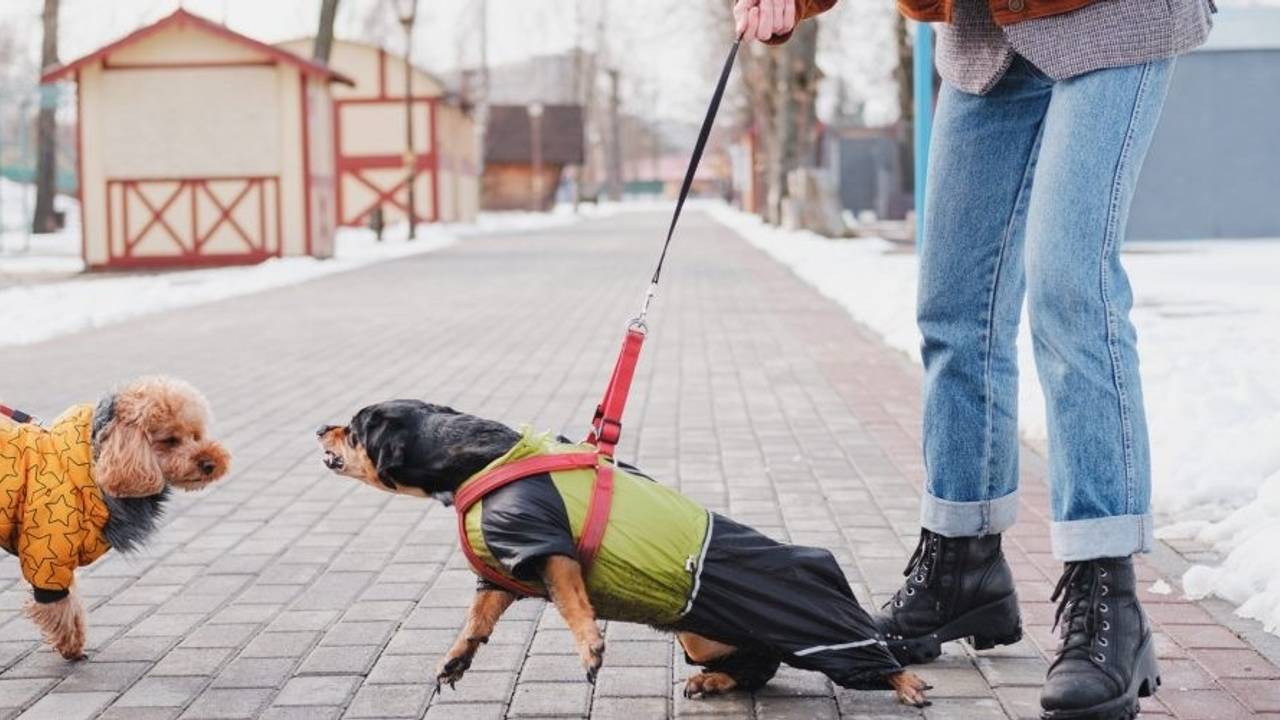
Group obedience classes can teach commands, but they don’t always address how a dog behaves at home. A dog may sit or stay on cue, yet still struggle with anxiety, over-excitement, or reactivity in everyday situations.
In-home training focuses first on structure, calmness, and reliability. When behaviour makes sense to the dog, obedience becomes a natural by-product rather than the primary goal.
4. The Whole Household Is Involved
Dogs live within a family system, not in isolation. For training to be effective, everyone in the household needs to understand and apply the same guidance.
In-home training allows all family members to be involved, ensuring consistency in expectations and boundaries. This is particularly important when addressing real-life behaviours such as:
- Nipping at children while they play
- Barking at neighbours or passing activity
- Chasing pets or livestock
- Counter surfing or food-stealing
- Barking or pacing during mealtimes
- Overreacting to movement or sounds in the home
These are everyday issues that require real-world solutions — something group classes often can’t address fully.
5. Training Tailored to You and Your Dog
Every dog and household is different. A young, energetic puppy in a busy family environment has very different needs to a rescue dog adjusting to a quiet home.
In-home training is customised to:
- Your lifestyle
- Your dog’s temperament and emotional state
- Your goals and expectations
Whether you want a dog who settles calmly indoors, feels confident on walks, or needs support with anxiety or reactivity, your trainer can guide you in a way that fits your real life.
6. Real-Life Training for Real-Life Situations
Training is most effective when it happens where behaviour actually occurs. In-home consultations allow guidance to be applied in situations such as:
- Walking calmly in your neighbourhood
- Relaxing when guests visit
- Visiting cafés or public spaces
- Spending time at friends’ or family homes
Your trainer will also observe how your own energy, timing, and communication influence your dog. Many behaviour challenges improve once owners gain clarity around their role and how they show up in everyday interactions.
7. No Age or Background Limitations
Group classes often have age limits, fixed start dates, or prerequisites. If your dog missed early training or struggles in group environments, this can feel limiting.
In-home training removes those barriers. Puppies, adolescent dogs, and adult rescues can all benefit from behaviour-led guidance tailored to their needs — without waiting for class intakes or trying to fit into a rigid system.
8. A Holistic Approach to Behaviour
In-home dog training goes beyond teaching commands. A comprehensive approach may include:
- Lifestyle-based guidance that fits daily routines
- Obedience exercises that support impulse control
- Mental enrichment to reduce frustration and boredom
- Owner coaching to build calm leadership
- Behaviour modification for issues like anxiety or aggression
This ensures training supports the dog’s emotional wellbeing as well as practical behaviour.
9. An Investment in Long-Term Enjoyment
A well-guided dog is easier to live with and more enjoyable to include in everyday life. Considering that dogs are often part of the family for 10–15 years or more, investing in the right foundations early can make a lasting difference.
Clear guidance helps create a relationship built on trust, understanding, and calm cooperation — whether that’s on walks, at home, or out in public.
10. Above-Average Outcomes Through Personalised Support
In many areas of learning, personalised coaching leads to better outcomes — and dog training is no different. In-home training allows guidance to be tailored, adjusted, and refined as needed, often leading to more consistent and reliable results than standard group classes.
Final Thoughts: Start Where It Matters — At Home
While group classes can offer structure and social exposure, in-home dog training provides a practical, personalised way to address behaviour where it actually happens.
By focusing on real-life situations, involving the whole household, and tailoring guidance to your specific needs, in-home, or private dog training creates the foundations for a calm, well-balanced dog and a more enjoyable life together.
After all, home is where habits are formed — and where meaningful change begins.
Learn more here – SitDropStay Dog Training